Vulnerabilities
Tracking and analyzing security vulnerabilities across technologies and ecosystems. Focus on what matters most to reduce risk and speed response.
Featured Vulnerability

High
Before the Model Gets a Debugger, We Audited jshookmcp's Source, Release Chain, and Backdoor Risk
At pinned source commit bb79e43d and npm 0.3.4 , SOSEC found no covert first-party backdoor; the default search profile reaches process execution, memory injection, browser-session data, remote extensions, and shared network state, and the release lacks source provenance, requiring high-privilege isolation for the service, browser, credentials, and target processes.
View full analysisRecently Tracked Vulnerabilities
| CVE ID | Product | Severity | Exploitation Status | Published |
|---|---|---|---|---|
Research advisory | 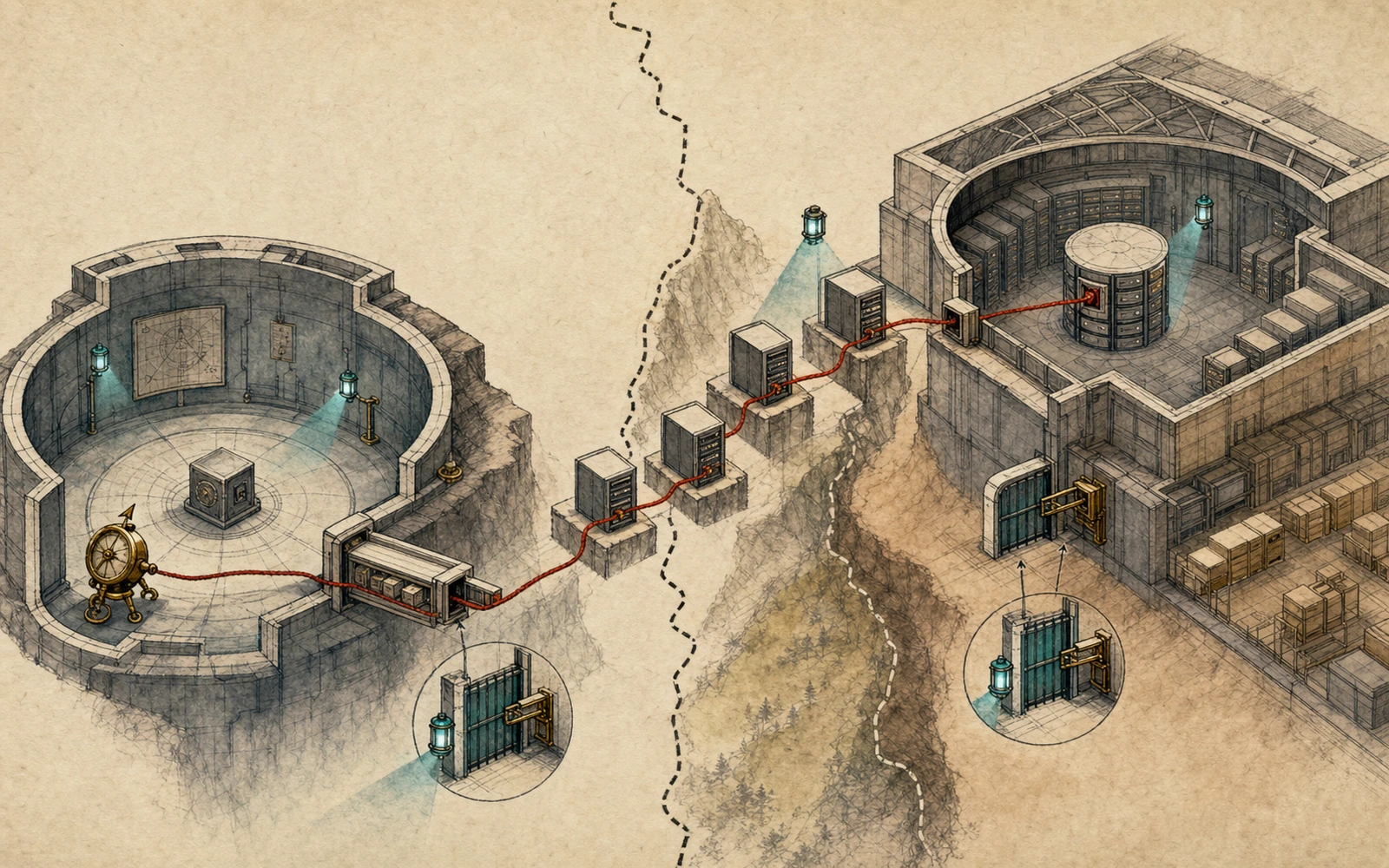 OpenAI ExploitGym and Hugging Face package cache OpenAI ExploitGym and Hugging Face package cache | Critical | An internal agent evaluation exploited a package-cache zero-day, crossed the research boundary, and reached Hugging Face production; isolate evaluation infrastructure, remove production reachability, repair the cache path, rotate exposed material, and verify containment end to end. | July 23, 2026 |
Fastjson @JSONType RCE |  Fastjson 1.x Fastjson 1.x | Critical | On the tested JDK 8 and Spring Boot loader path, Fastjson's @JSONType resource probe could trust externally retrieved class bytes before type-compatibility checks, allowing class initialization before a later ClassCastException; enable SafeMode where available, audit handlers and loader/TCCL exposure, restrict egress, and migrate to Fastjson2. | Jul 20, 2026 |
CVE-2026-42533 |  NGINX Open Source and NGINX Plus NGINX Open Source and NGINX Plus | Critical | Under specific configurations, either a regex map/capture relationship or a qualifying non-cacheable rewrite path can change bytes between NGINX's length and copy passes, allowing crafted unauthenticated requests to overrun a worker heap buffer. Upgrade OSS stable to 1.30.4, mainline to 1.31.3, or Plus and downstream products to their listed fixed releases. | July 20, 2026 |
CVE-2026-63030 / CVE-2026-60137 | 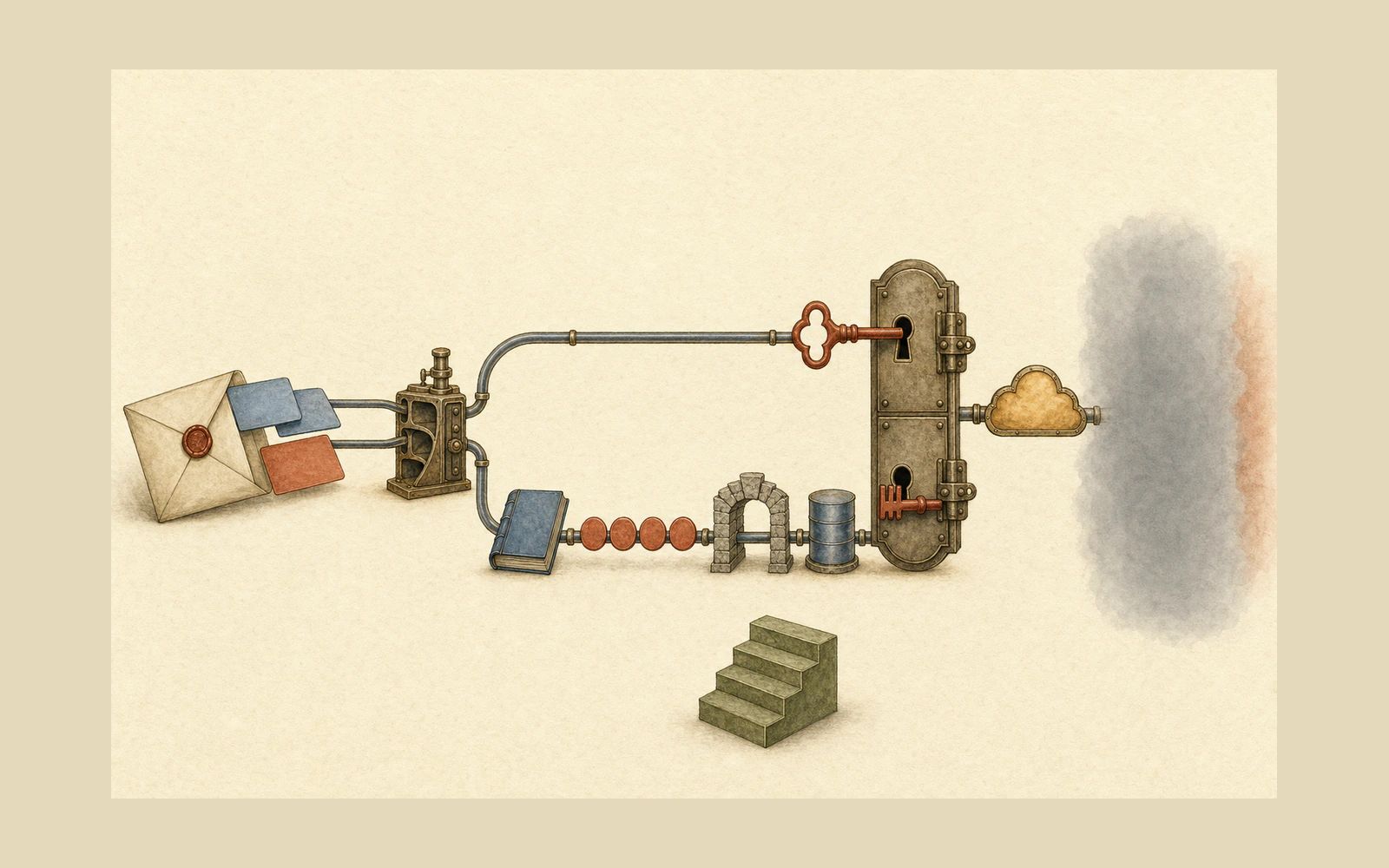 WordPress Core WordPress Core | Critical | WordPress says the two flaws combine to RCE on 6.9 and 7.0; Searchlight reports anonymous triggering on stock plugin-free core, while Cloudflare limits its described path to sites without persistent object caching. Install 6.9.5 or 7.0.2; 6.8 users need 6.8.6 for CVE-2026-60137. | Jul 19, 2026 |
CVE-2026-56190 |  Windows Remote Desktop Services Windows Remote Desktop Services | Critical | CVE-2026-56190 lets a reachable Windows RDP service with NLA disabled enter an incompletely initialized connection-object path before authentication; every affected system with an eligible servicing channel should receive Microsoft's currently mapped security update or a supported successor and restart, while NLA, ingress, historical exposure, and fault evidence remain separate acceptance fields. | Jul 17, 2026 |
CVE-2026-24233 | 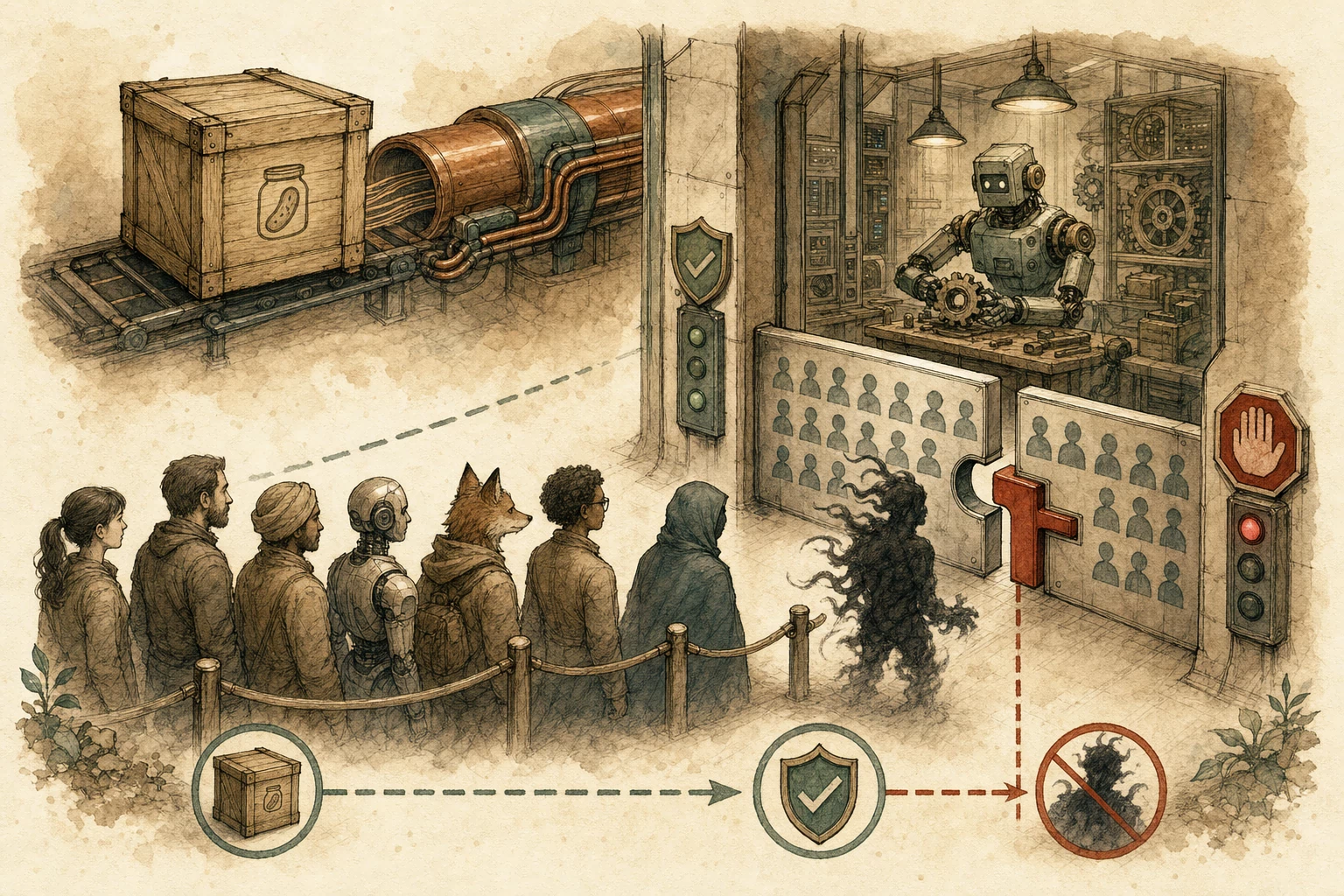 NVIDIA TensorRT-LLM NVIDIA TensorRT-LLM | High | The RLHF weight-update worker admitted broad torch globals while unpickling CUDA IPC handles; TensorRT-LLM 1.3.0rc15 adds higher-priority exact denials for the confirmed execution path. | July 15, 2026 |
CVE-2026-61520 | 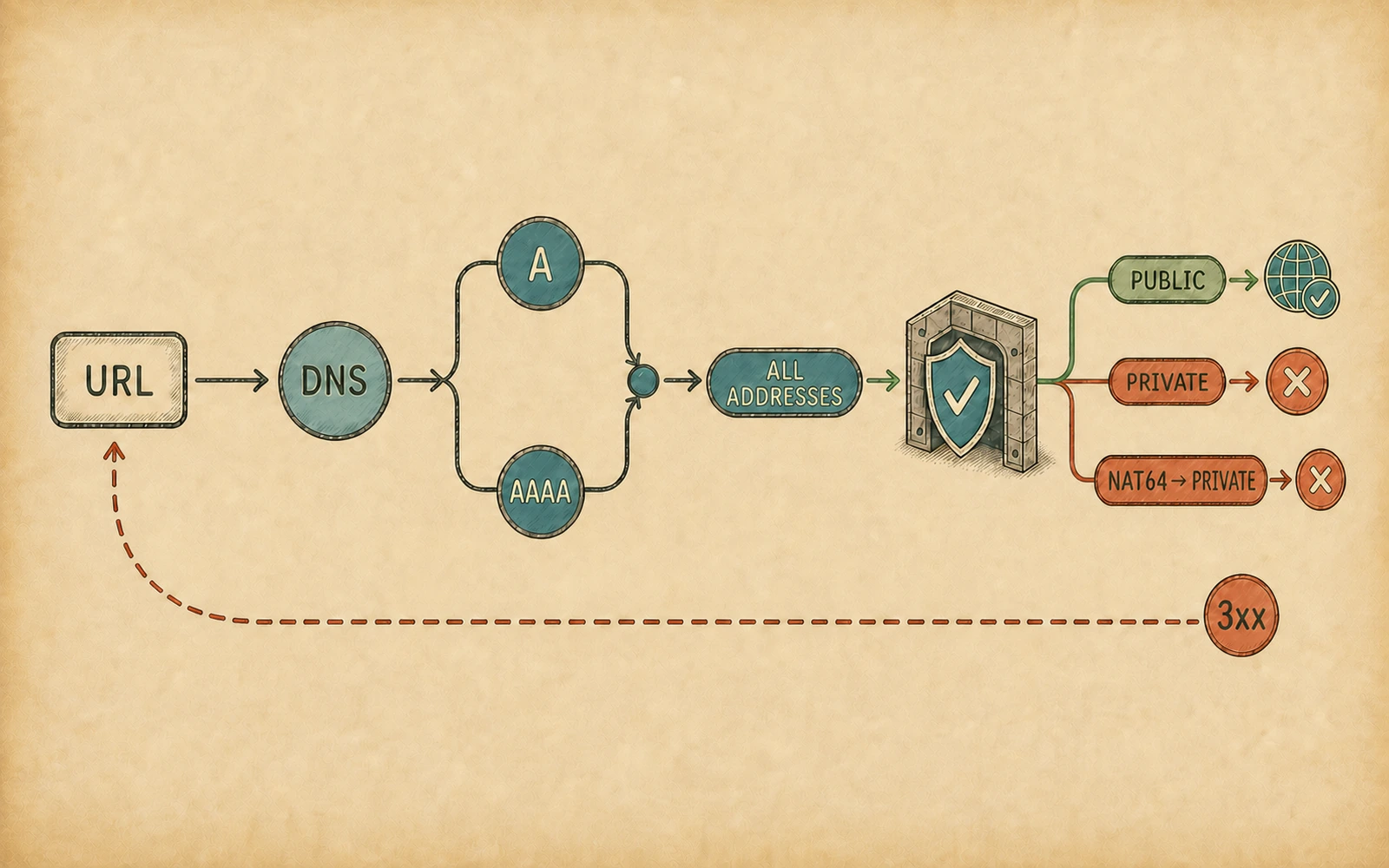 Simple Machines Forum image proxy Simple Machines Forum image proxy | Moderate | Authenticated post content could reach the server-side image fetcher through an HMAC-signed proxy URL without a complete destination-safety boundary; apply the reviewed release-2.1 or release-3.0 fix and verify every redirect path. | Jul 15, 2026 |
CVE-2026-45579 |  DIRAC RequestManager DIRAC RequestManager | Critical | Authenticated report fields reached Python eval while DIRAC formed the affected ORM expression, before SQL generation or execution; upgrade to 8.0.79, 9.0.22, 9.1.10 or a later supported release. | Jul 13, 2026 |
CVE-2026-45086 + 8 |  Decidim Decidim | High | Nine coordinated disclosures converge on tenant scoping, authorization, private downloads, query construction, stored HTML and push-subscription destinations; fixed streams are 0.30.9, 0.31.5 and 0.32.0. | Jul 13, 2026 |
CVE-2026-5426 | 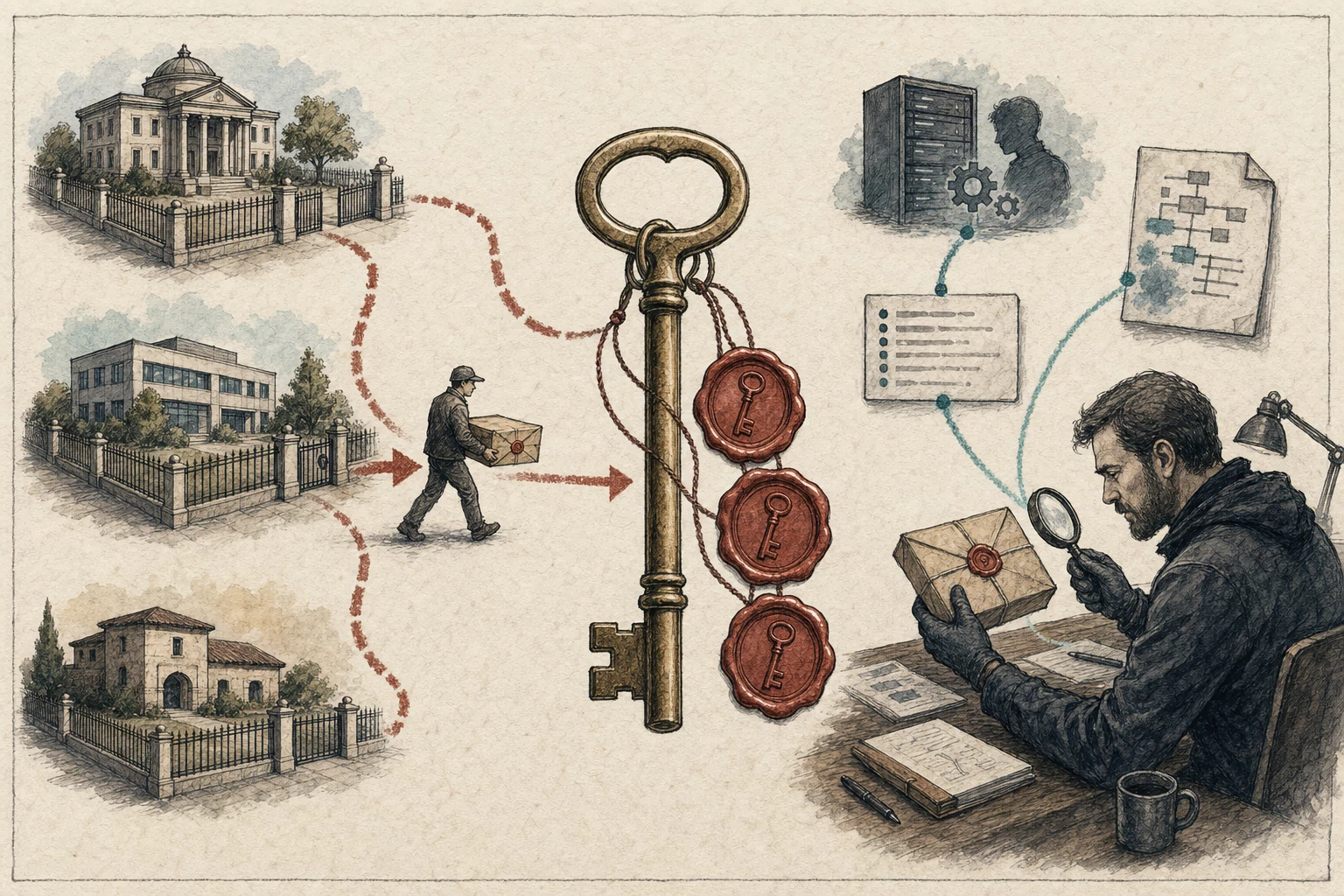 KnowledgeDeliver and ASP.NET MachineKey KnowledgeDeliver and ASP.NET MachineKey | Critical | CVE-2026-5426 turned a deployment secret reused by independent KnowledgeDeliver customers into cross-instance signing authority: an unauthenticated holder could submit ViewState that another installation trusted, reach deserialization, and obtain operating-system-level code execution. | Jul 13, 2026 |
CVE-2026-54174 |  apko and melange apko and melange | High | The APK getter authenticated control without comparing datahash to the delivered payload. Deploy apko 1.2.25 and melange 0.56.3 as reviewed, rechecking at deployment; 1.2.9 and 0.50.4 are the first-fixed boundary. | July 11, 2026 |
CVE-2026-48939 / CVE-2026-56291 |  Joomla iCagenda and Balbooa Forms Joomla iCagenda and Balbooa Forms | Critical | CISA KEV lists two actively exploited unauthenticated upload paths; deploy iCagenda 3.9.15 or 4.0.8 and Balbooa Forms 2.4.1, then review public upload directories. | Jul 10, 2026 |
CVE-2026-53363 |  Linux XFRM IP-TFS Linux XFRM IP-TFS | High | iptfs_consume_frags() moved page fragments without SKBFL_SHARED_FRAG, allowing ESP to treat externally shared pages as private writable packet storage. | July 10, 2026 |
GHSA-g5r6-gv6m-f5jv | 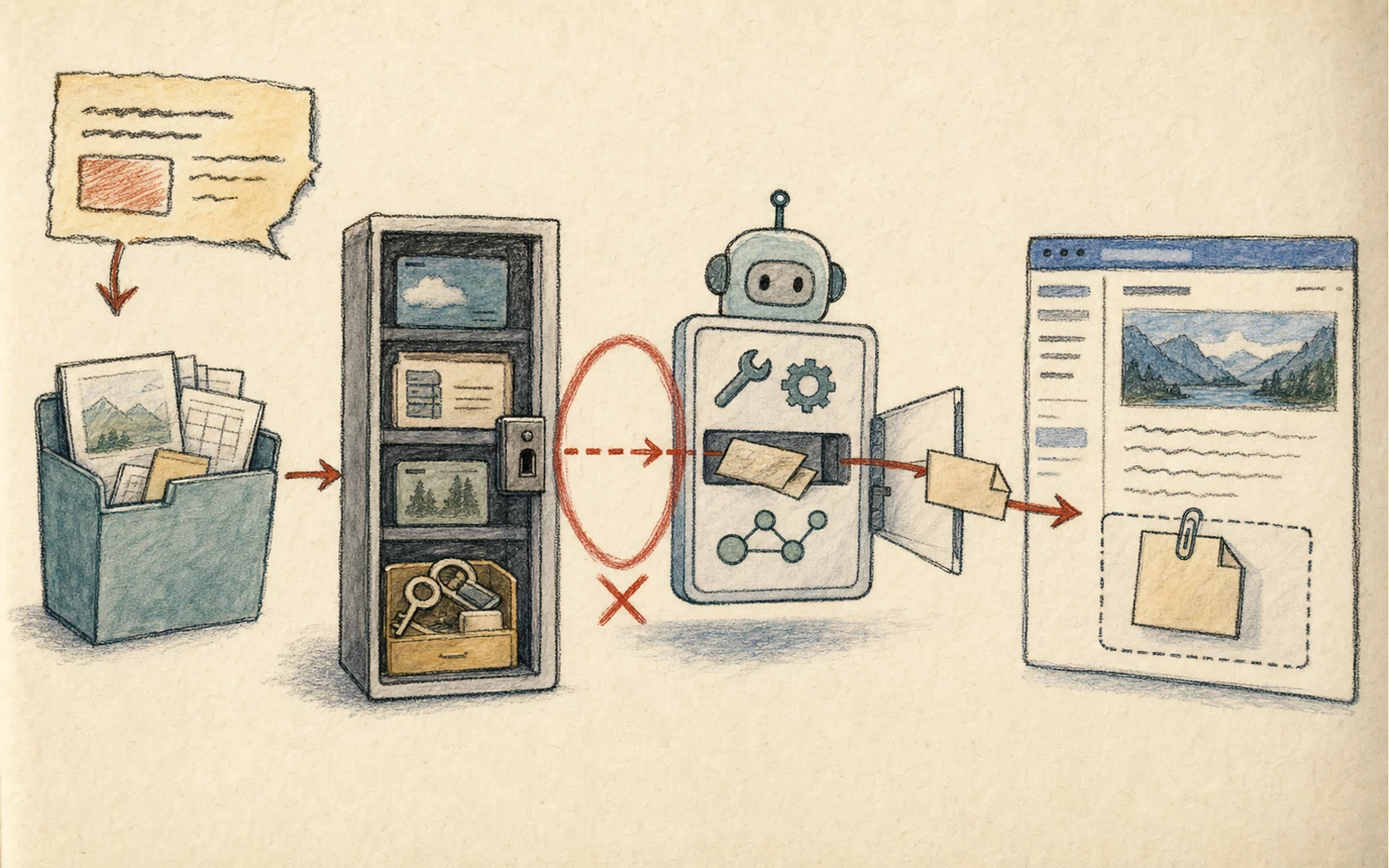 mcp-atlassian mcp-atlassian | High | Confluence attachment uploads could read any local path visible to the MCP server account; 0.22.0 confines resolved paths to the runtime workspace. | July 10, 2026 |
CVE-2026-15123 | 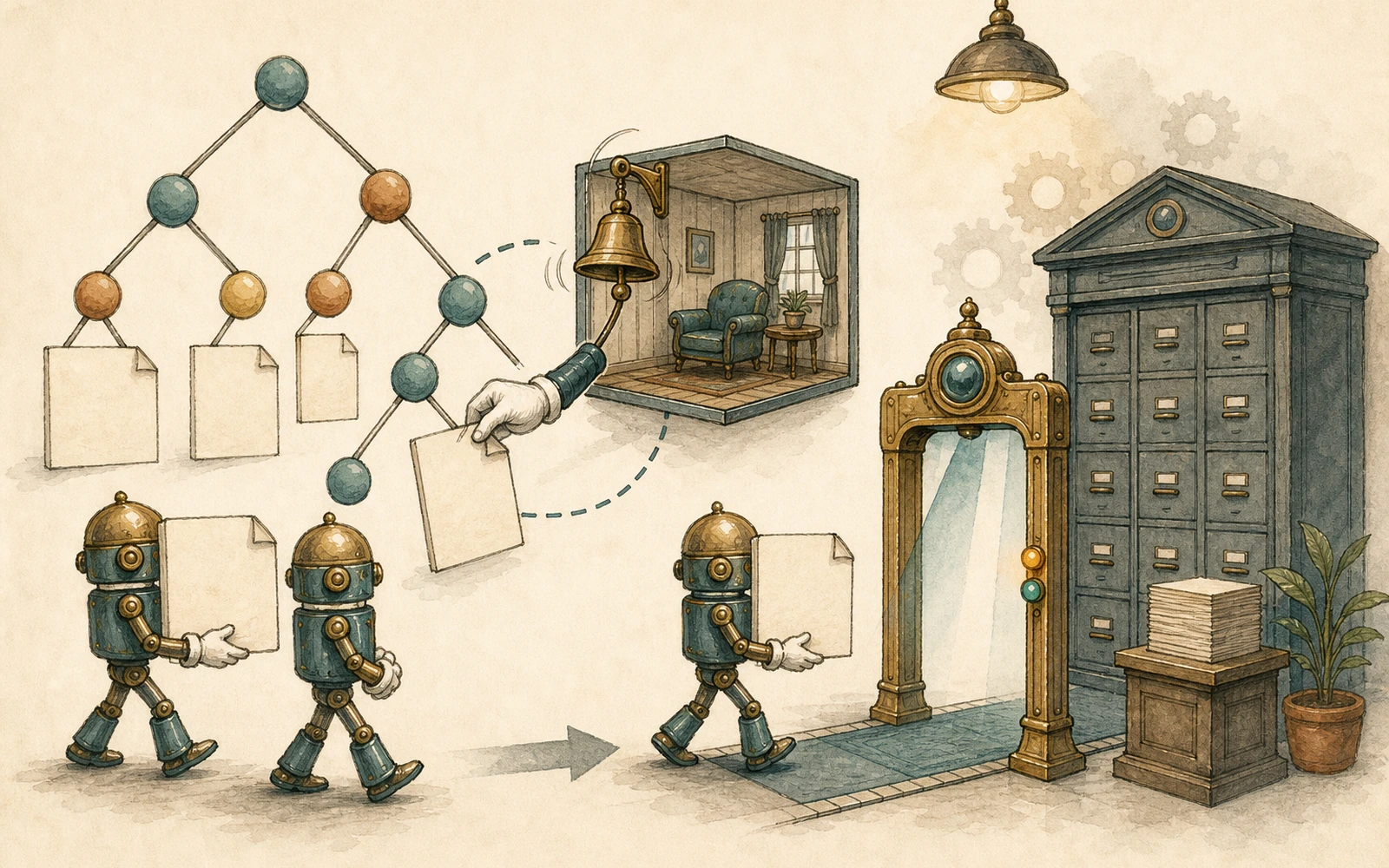 Chromium Blink DOM Chromium Blink DOM | High | Chromium fix cb26b6a1eb79 moves Blink's live structural recheck ahead of the Document branch; assets should install the vendor's current Stable build and retire old renderers, derivatives must prove that equivalent source and the complete WPT reached their product, and LTS-144 still lacks a publicly merged backport as of July 26, 2026. | July 8, 2026 |
CVE-2026-15132 | 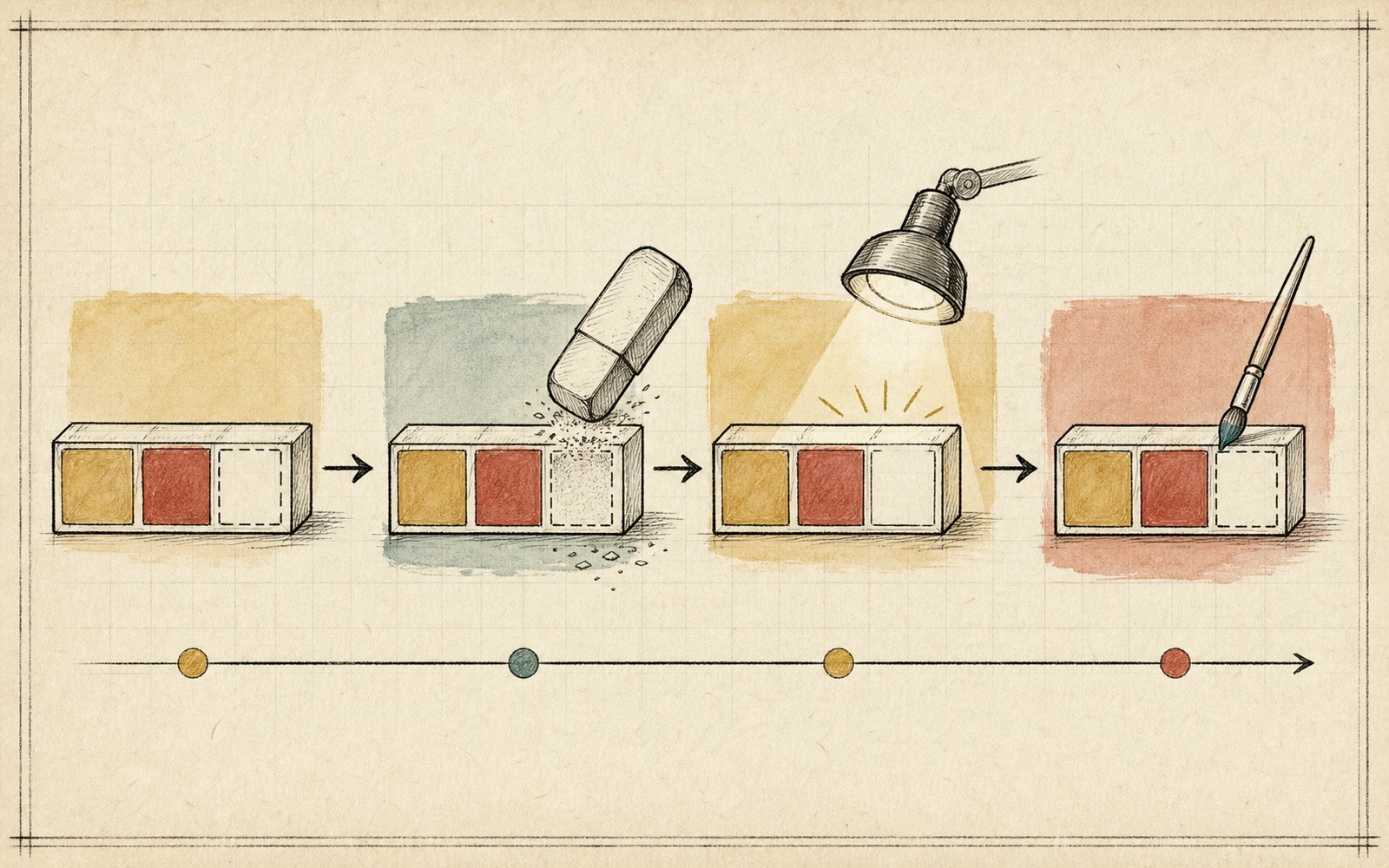 Chromium V8 Chromium V8 | High | CVE-2026-15132 lets V8 Turboshaft remove a required FixedArray initialization store under a specific loop-unrolling and store-elimination sequence, allowing the garbage collector to read an uninitialized slot and compromise renderer memory safety. | Jul 8, 2026 |
CVE-2026-15114 |  Chromium AV1 hardware decoder Chromium AV1 hardware decoder | High | CVE-2026-15114 lets a crafted AV1 sequence change allocation-sensitive coding tools while keeping its visible dimensions stable, so old Chromium builds reuse an undersized hardware context and can perform out-of-bounds reads or writes. | Jul 8, 2026 |
CVE-2026-15107 |  Chromium IndexedDB DevTools Chromium IndexedDB DevTools | Medium | CVE-2026-15107 lived in the gap between two clocks: a DevTools request began while its V8 inspector session was alive, yet IndexedDB returned the last row only after navigation had disposed that session, leaving the callback able to reach its agent, copy a stale native pointer, and ask freed inspector state to wrap the row. | Jul 8, 2026 |
CVE-2026-15133 | 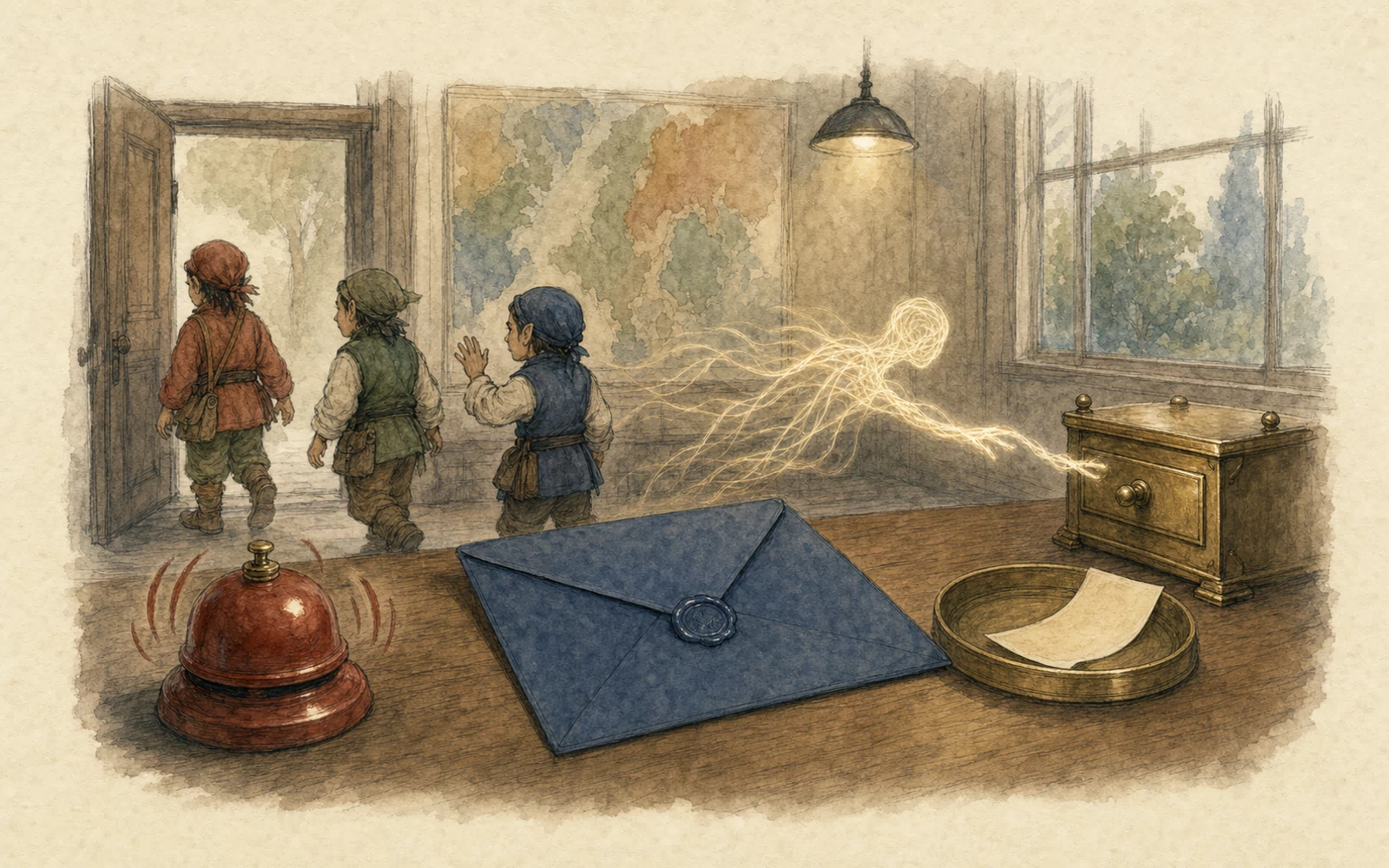 Chromium Protected Audience Chromium Protected Audience | High | CVE-2026-15133 began after a Protected Audience winner was chosen: a report left browserSignals on globalThis , queued a Promise to read renderUrl , and timed out; native helpers left with the stack, then cleanup ran it through a stale handle into an expired object, so the fix kept the filler through scope cleanup, limited logger use to script execution, and reset native links before delayed JavaScript resumed. | July 8, 2026 |
CVE-2026-13122 |  OpenVPN external authentication OpenVPN external authentication | Medium | CVE-2026-13122 affects OpenVPN 2.6.0–2.6.20 and 2.7 alpha1–2.7.4 servers using external-auth : a short credential beginning with SESS_ID_AT_ can fail cryptographic verification, still be retained as the initial session token, and then drive fixed-offset reads and writes beyond its allocation before a fatal assertion terminates the daemon. | Jul 8, 2026 |
CVE-2026-12996 | 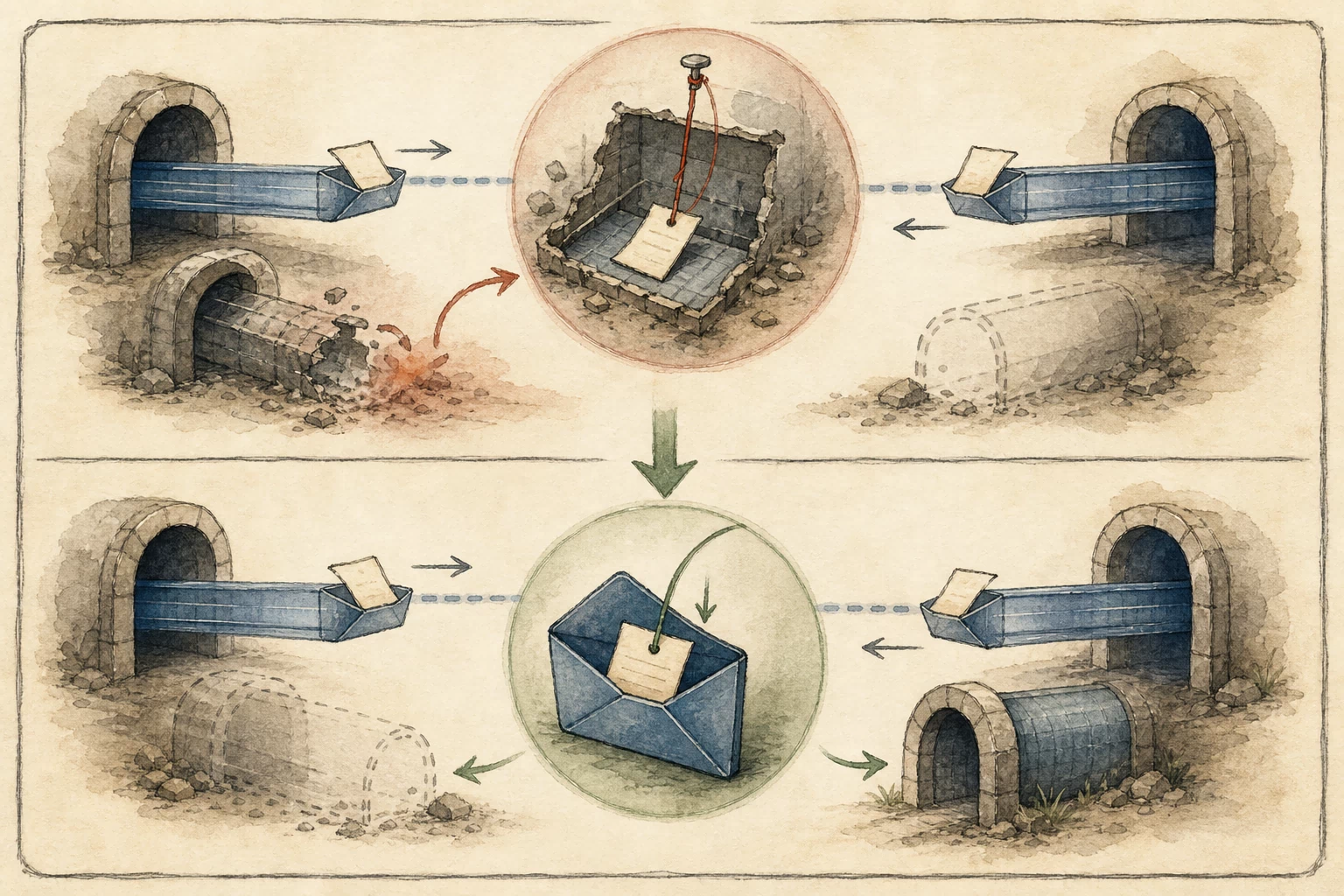 OpenVPN TLS control channel OpenVPN TLS control channel | High | CVE-2026-12996 occurs during one OpenVPN server TLS multi-session pass: the active session lends a shallow view of a dedicated ACK to the outer send slot, a candidate session reaches the TLS promotion threshold and frees the old owner, and the event loop later reads the stale ack_write_buf , producing a remotely influenceable heap use-after-free. | Jul 8, 2026 |
CVE-2026-53359 | 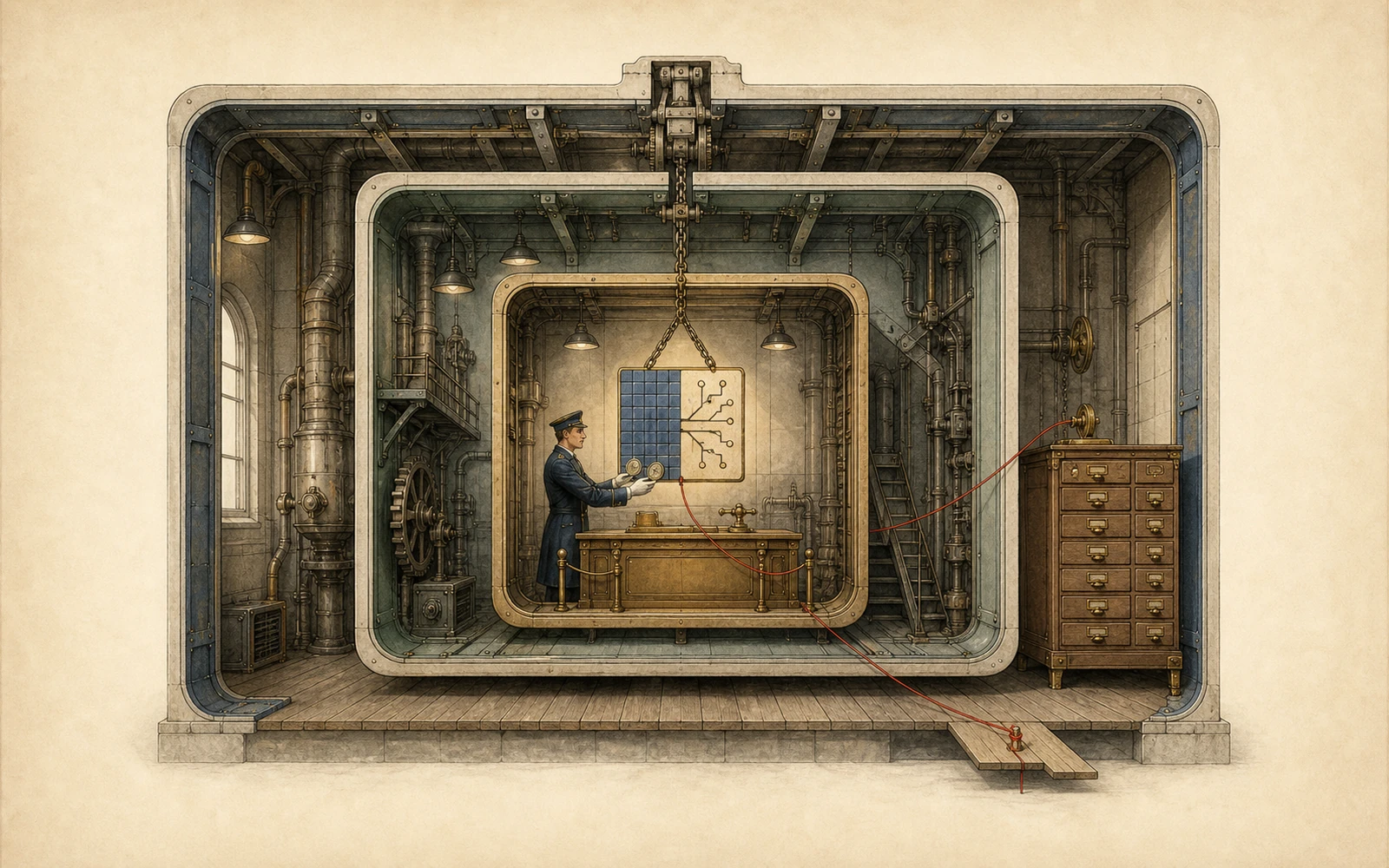 Linux KVM/x86 shadow MMU Linux KVM/x86 shadow MMU | High | Same-GFN shadow-page reuse across a role change could leave rmap state alive after teardown; direct kernel.org deployments should run 7.1.5, 6.18.40, 6.12.98, 6.6.145, or 6.1.178, while vendor kernels require an equivalent supported fix. | Jul 6, 2026 |
CVE-2026-53362 | 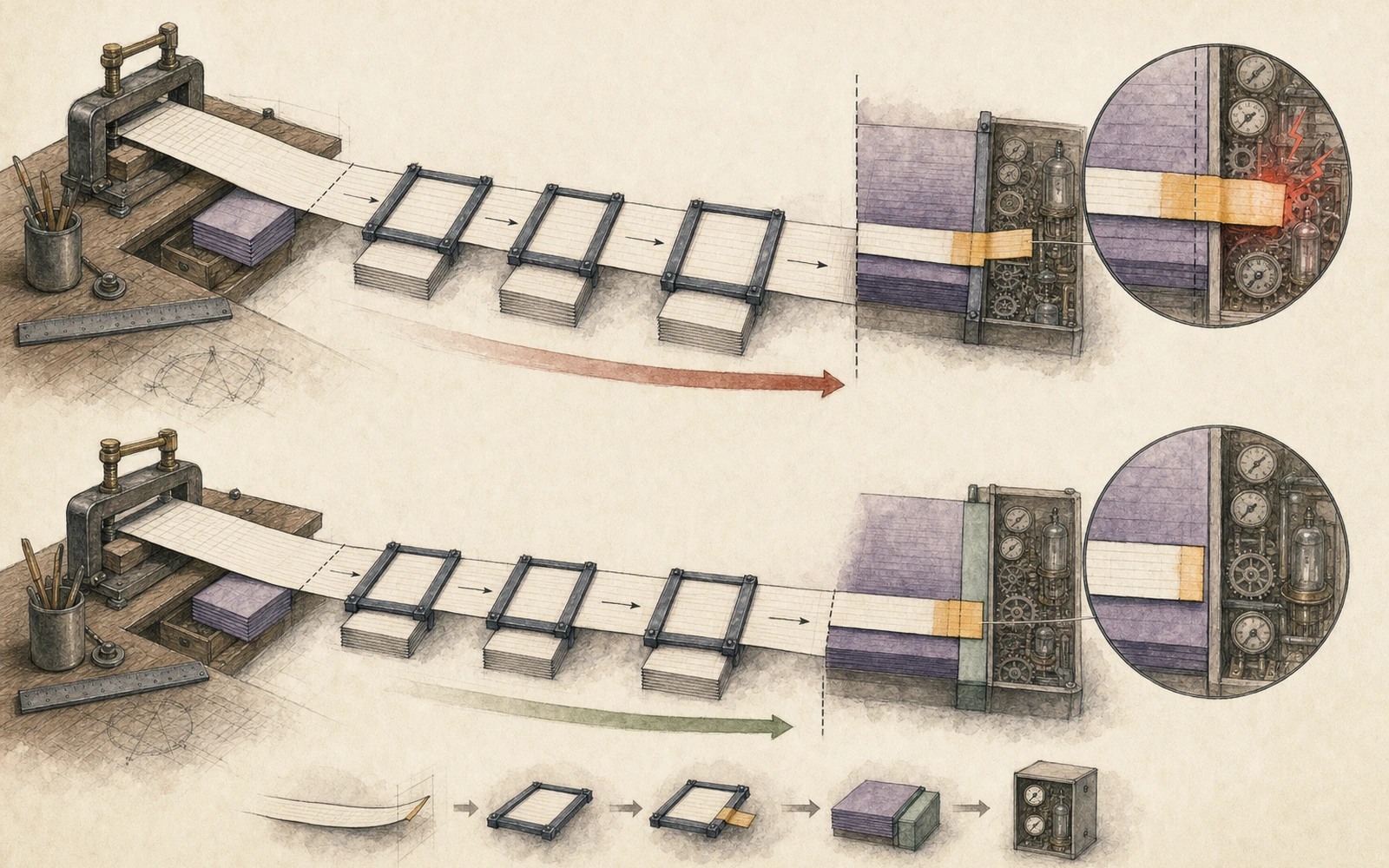 Linux IPv6 UDP fragmentation Linux IPv6 UDP fragmentation | High | The paged IPv6 append path omitted fraggap from linear allocation and could copy local splice-supplied bytes into skb_shared_info; fixed floors include 6.1.177 and 6.6.144. | Jul 4, 2026 |
CVE-2026-53361 | 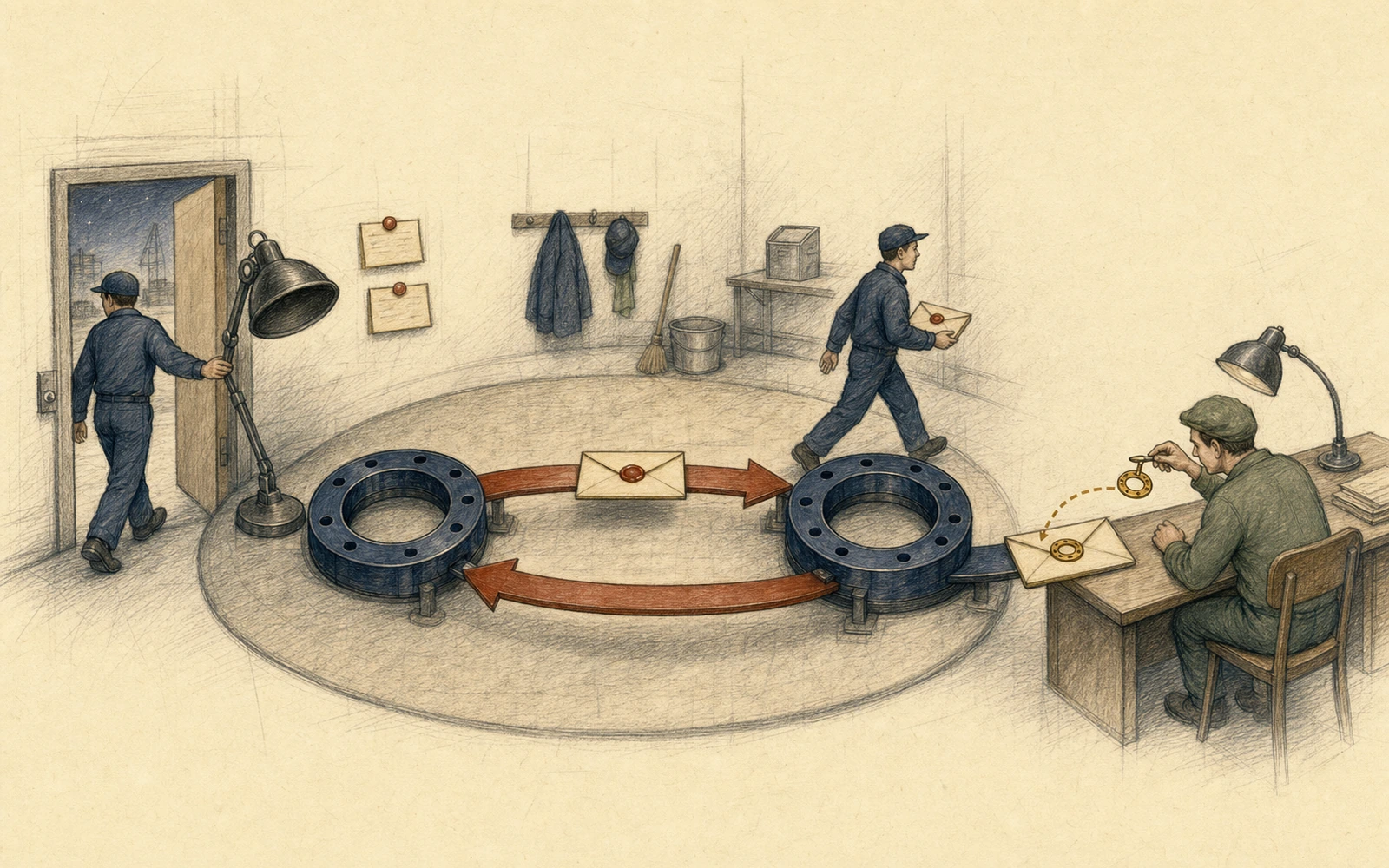 Linux AF_UNIX Linux AF_UNIX | Medium | A queued unix_gc() rerun could execute while gc_in_progress was false, hiding an overlapping SCM_RIGHTS MSG_PEEK from the socket graph collector's sequence check. | July 4, 2026 |
CVE-2026-53360 | 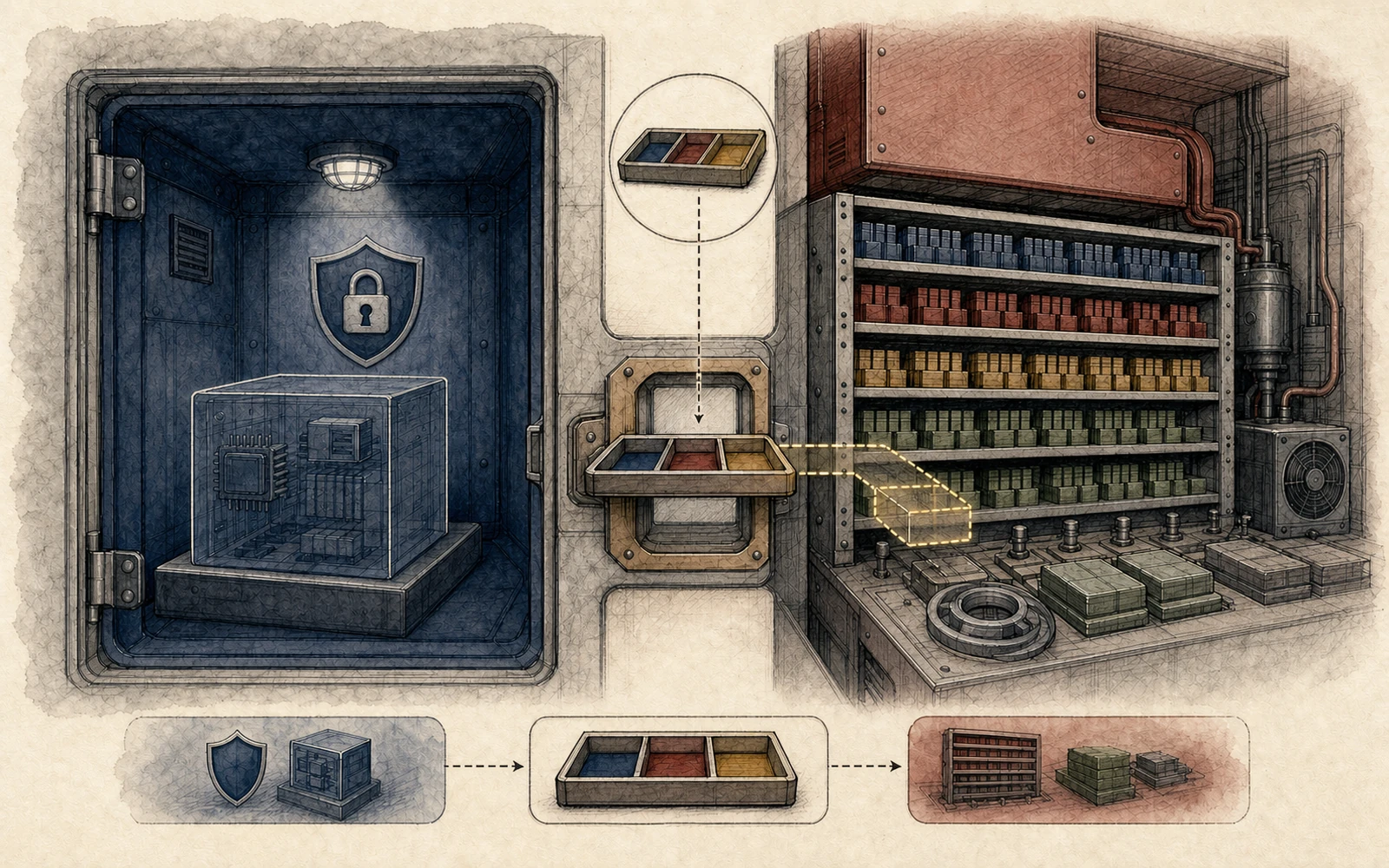 Linux KVM AMD SEV-SNP Linux KVM AMD SEV-SNP | High | GHCB v2 accepted an outside-page scratch allocation whose PSC index was checked against a page-wide limit, enabling a malicious protected guest to cross the host heap object boundary. | July 4, 2026 |
CVE-2026-55956 | 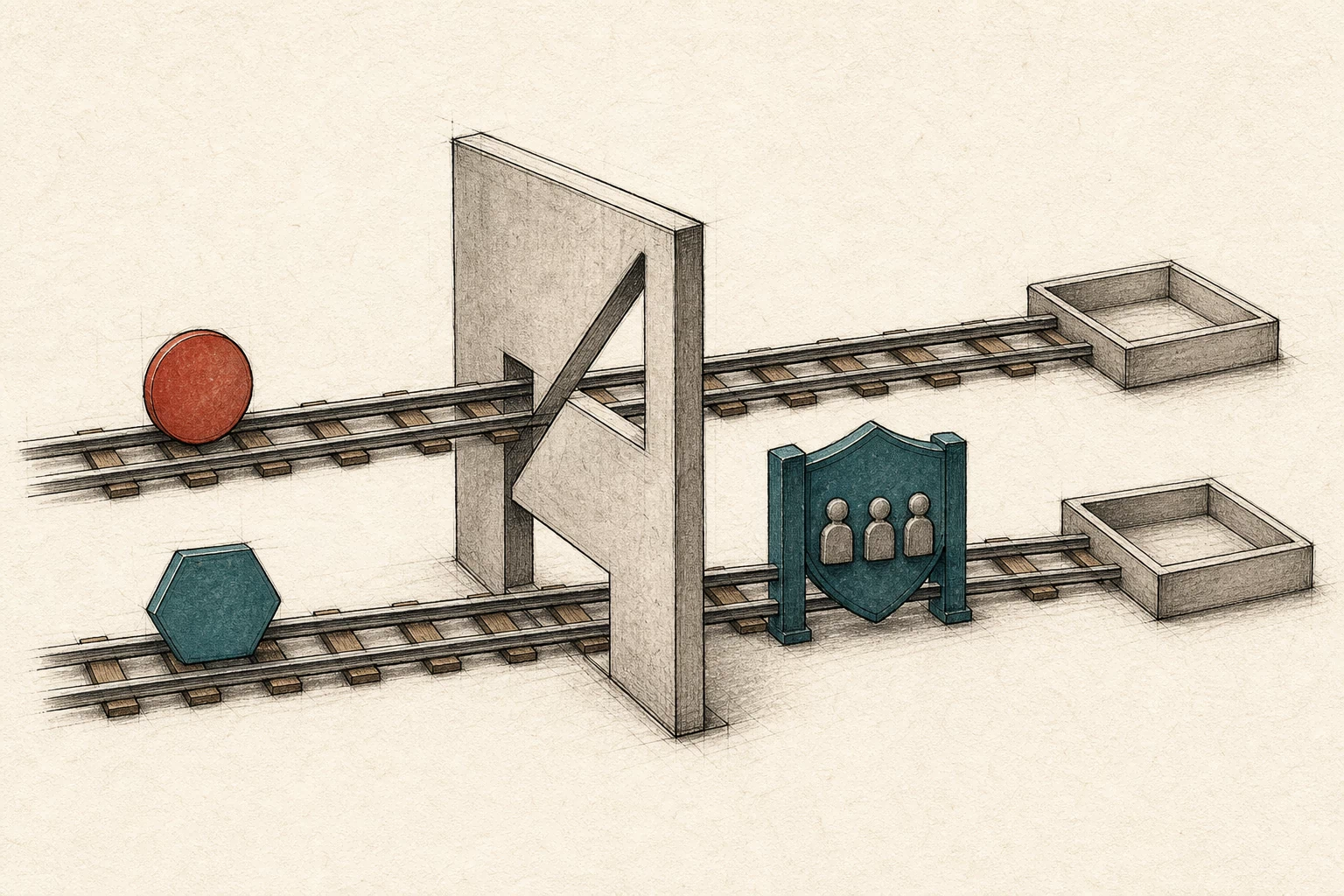 Apache Tomcat Apache Tomcat | Moderate | Default-servlet security constraints skipped HTTP method selection; upgrade to Tomcat 9.0.119, 10.1.56, 11.0.23, or a later supported release. | Jun 29, 2026 |
CVE-2026-12413 | 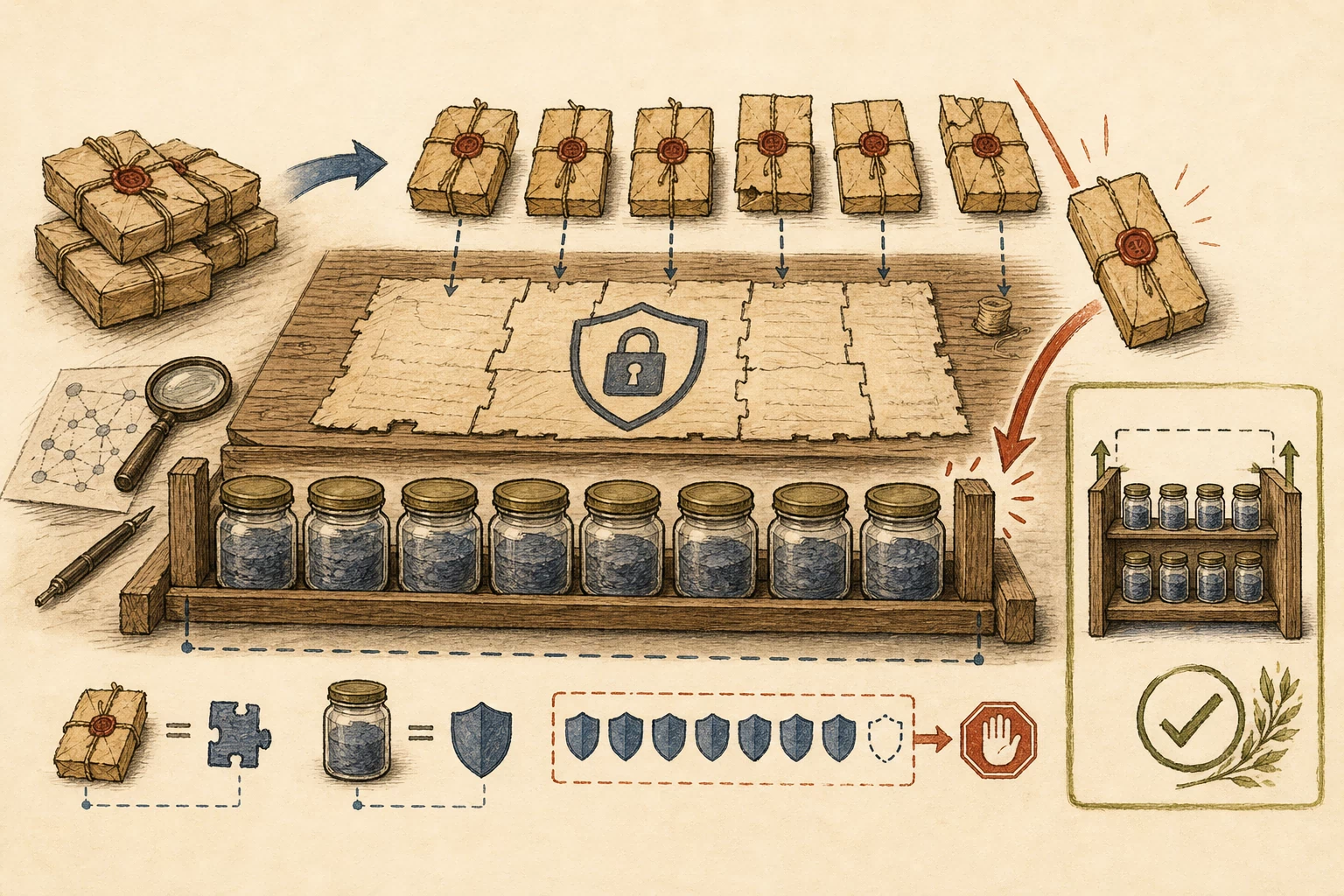 LibreSwan IKEv2 fragmentation LibreSwan IKEv2 fragmentation | High | CVE-2026-12413 lets an IKEv2 initiator that has not completed identity authentication fill all 30 payload descriptors in a protected fragmented message, after which Libreswan 4.6 through 5.3 mistakes the valid count for a broken invariant and terminates pluto; a remote actor can repeat the exchange to disrupt the VPN control plane, and version 5.3.1 corrects the boundary. | June 24, 2026 |
CVE-2026-20245 | 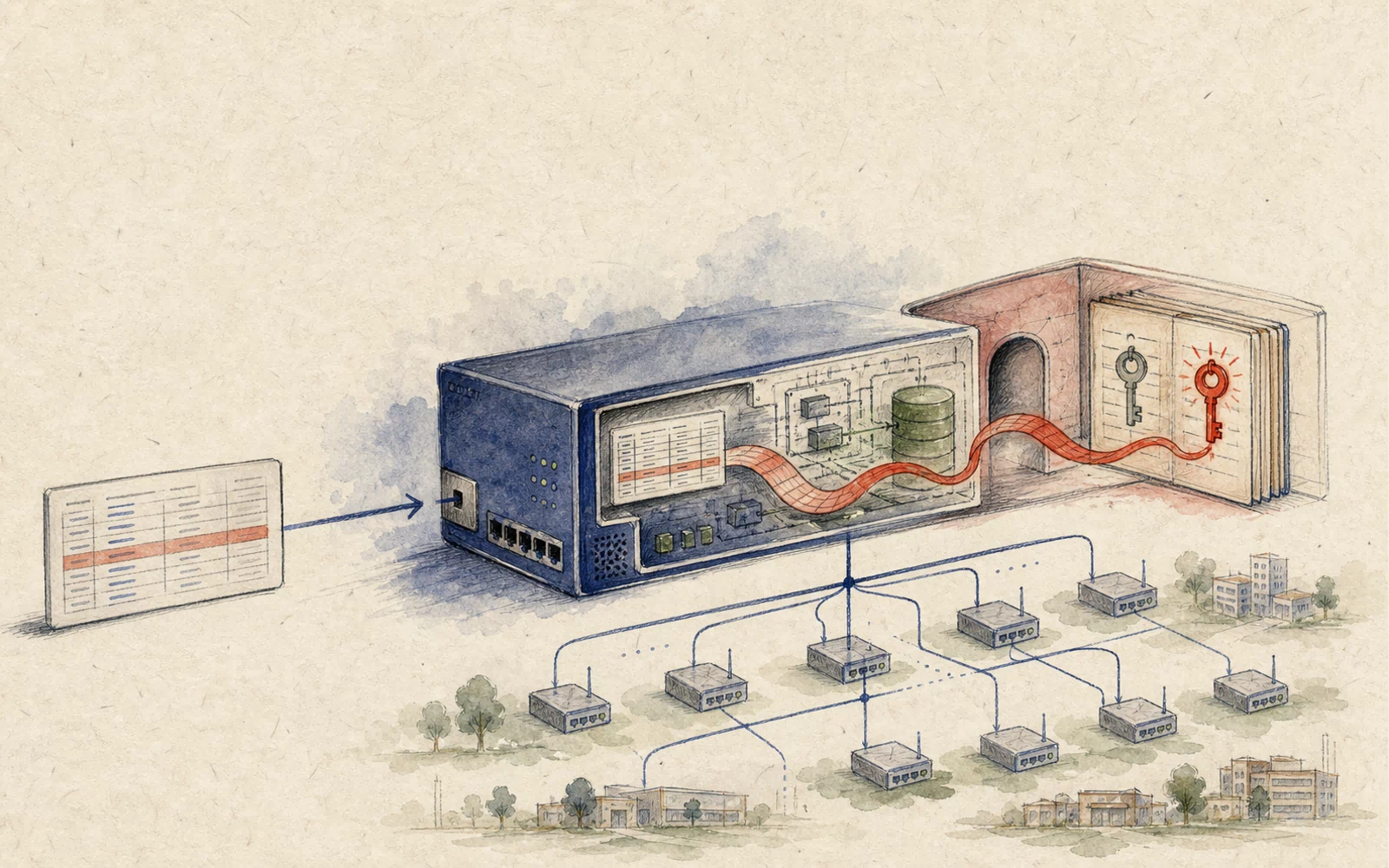 Cisco Catalyst SD-WAN control plane Cisco Catalyst SD-WAN control plane | High | Authenticated CLI file handling can execute commands as root; affected release trains have explicit fixed versions and no workaround. | Jun 24, 2026 |
CVE-2026-35273 | 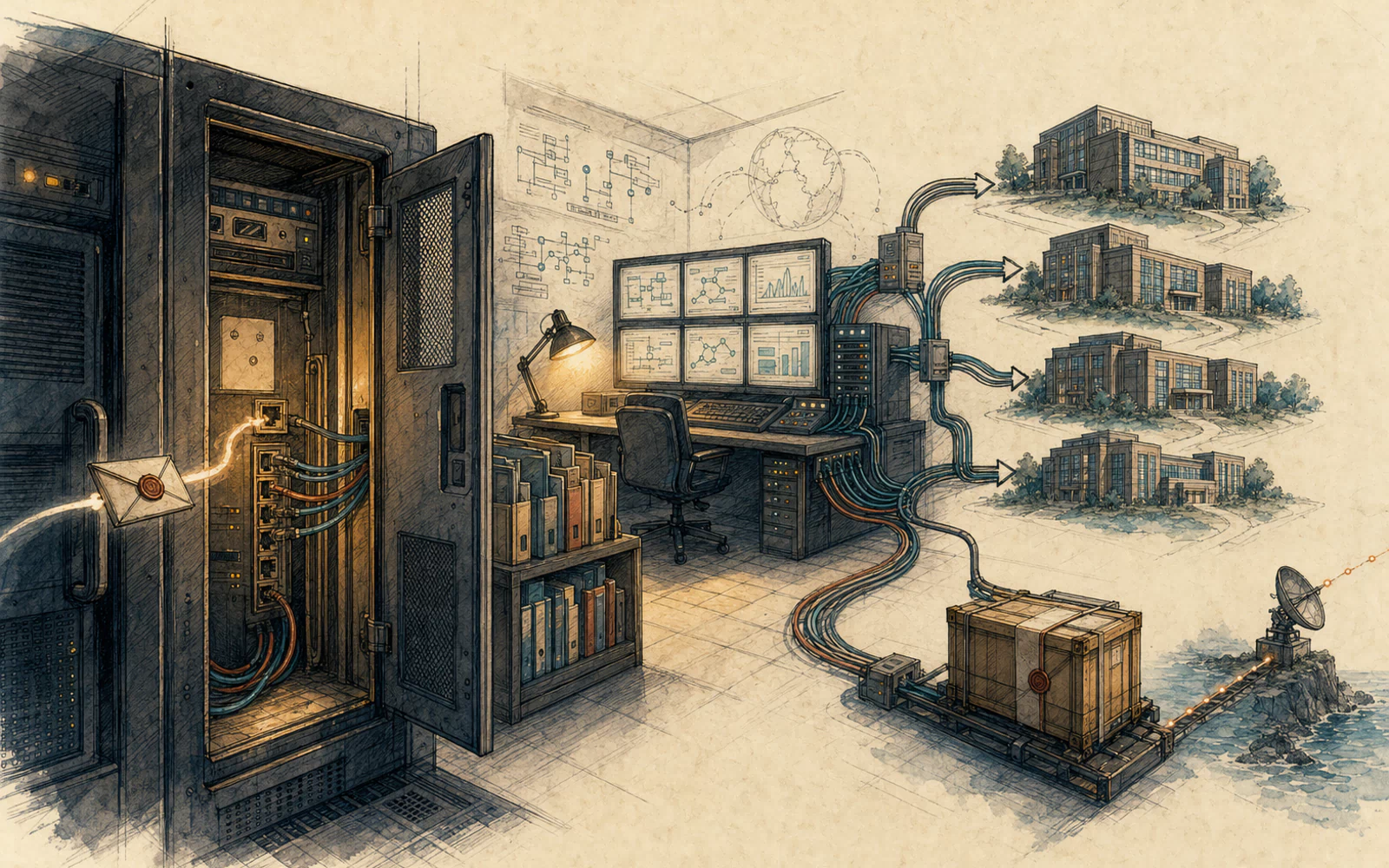 Oracle PeopleSoft PeopleTools Oracle PeopleSoft PeopleTools | Critical | Unauthenticated remote code execution in Environment Management; PeopleTools 8.61 and 8.62 require Oracle's June 2026 fixes and exposure review. | Jun 12, 2026 |
CVE-2026-47895 | 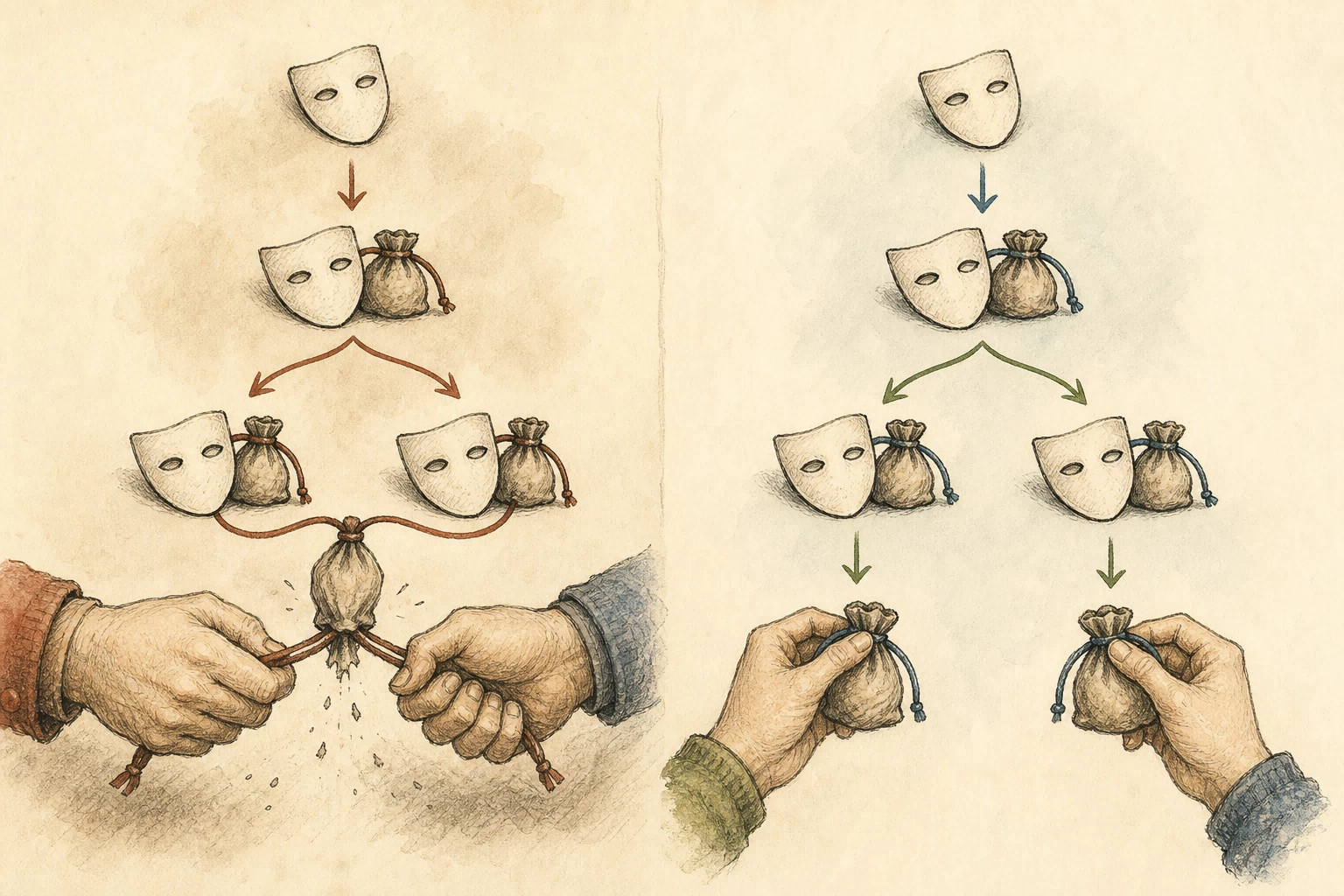 strongSwan IKE identity handling strongSwan IKE identity handling | Critical | CVE-2026-47895 lets an unauthenticated IKE peer use the two-byte EAP identity @# to create a zero-length but freeable allocation; strongSwan's old identity clone gave the same address to two owners, so failed-authentication teardown double-frees it, reliably threatening gateway availability while the project assesses potential remote code execution. | Jun 8, 2026 |
CVE-2026-44706 | 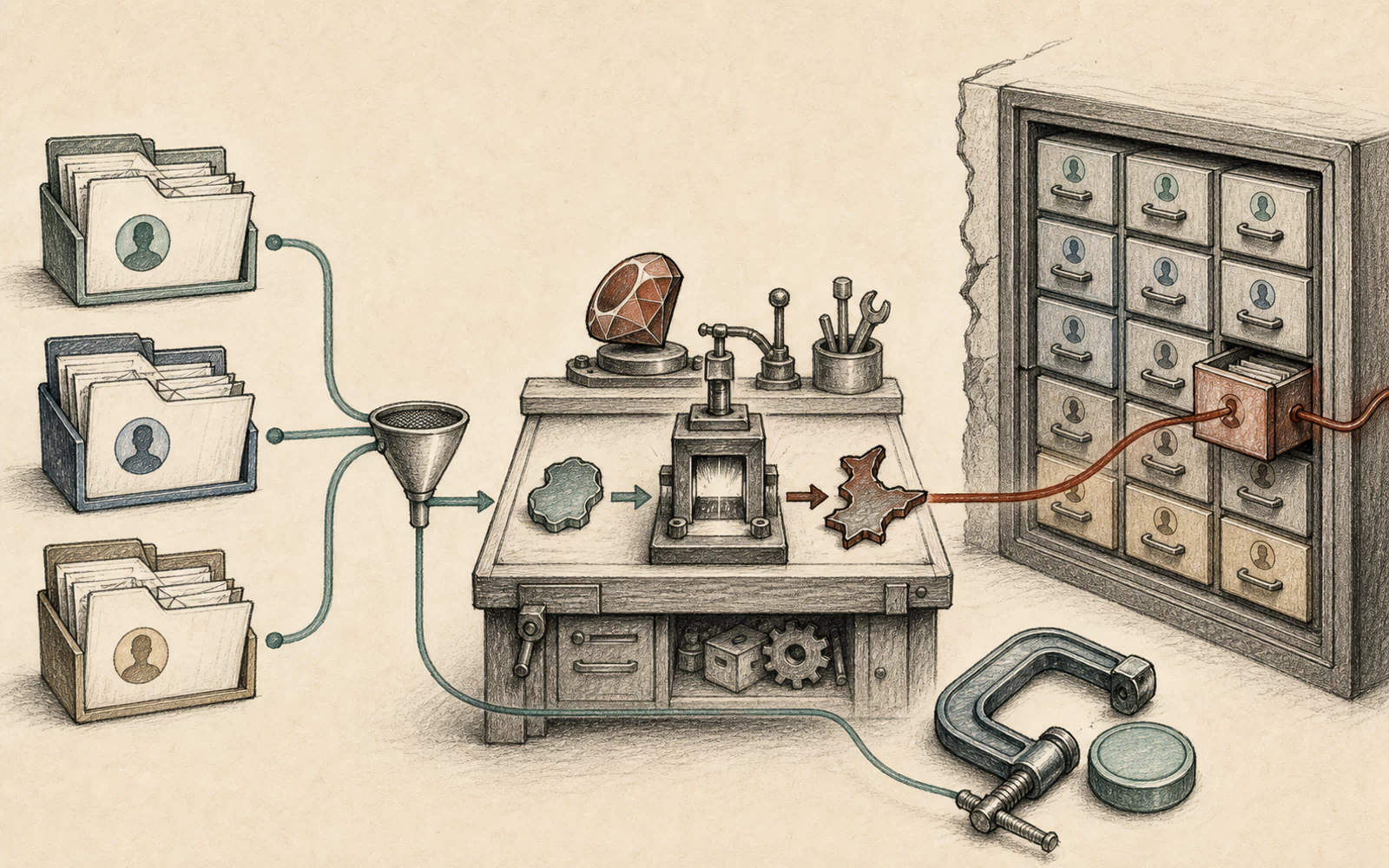 Chatwoot Chatwoot | High | Authenticated filter values and custom-attribute keys reached PostgreSQL syntax across tenant boundaries; Chatwoot 4.11.2 uses typed binds and key validation. | May 22, 2026 |
CVE-2026-48095 |  7-Zip NTFS parser 7-Zip NTFS parser | High | Cross-field NTFS geometry can produce an undersized input buffer before decompression; 7-Zip 26.01 restores the parser invariant. | May 22, 2026 |
CVE-2026-45350 | 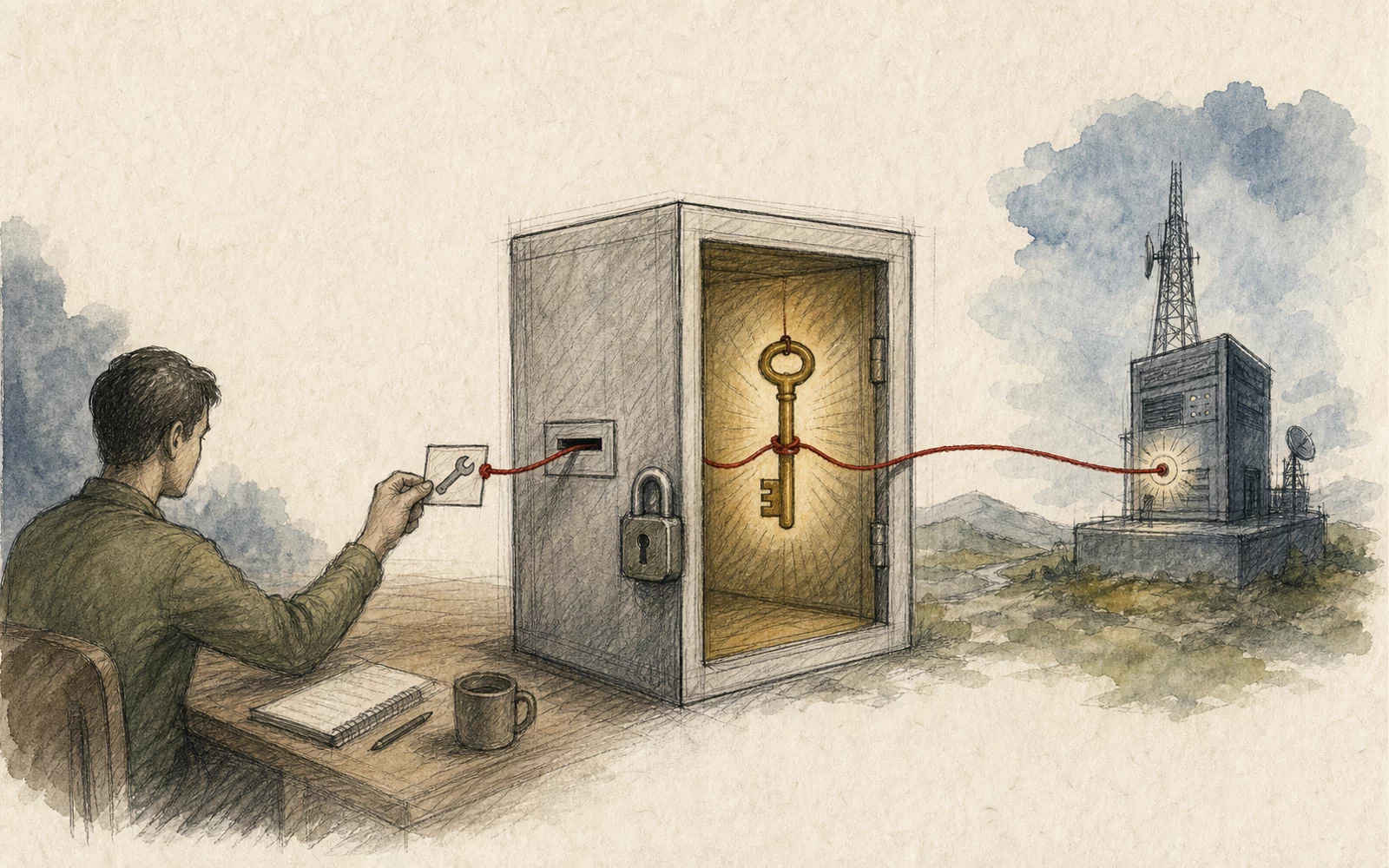 Open WebUI Open WebUI | High | User-supplied tool identifiers could resolve restricted local tools and MCP connections before authorization; upgrade to 0.8.6 or later. | May 15, 2026 |
TS-2026-002 | 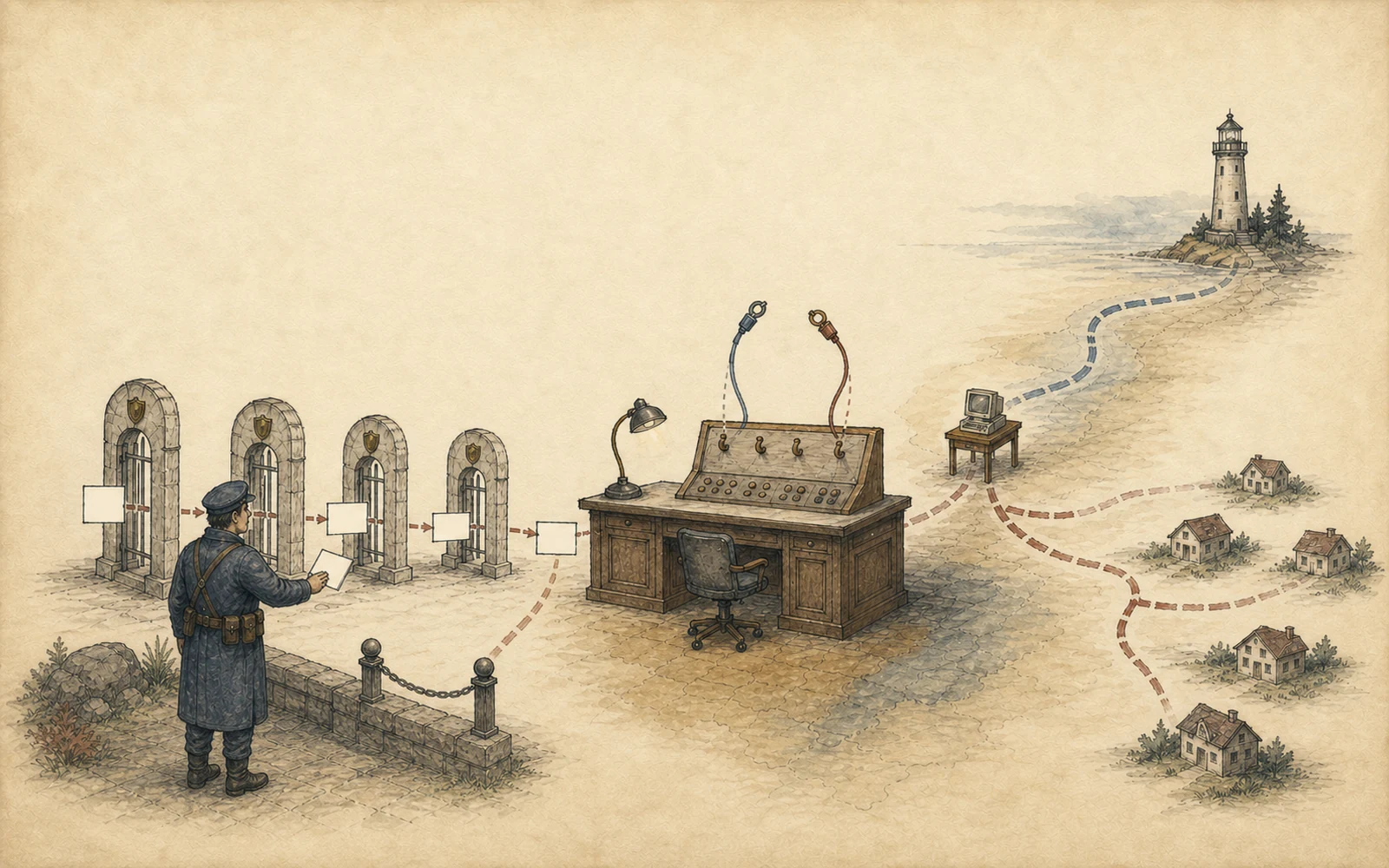 Tailscale device web interface Tailscale device web interface | Medium | TS-2026-002 allowed an authenticated tailnet peer that could reach an explicitly exposed device web interface on TCP 5252 to send a route request selecting no operation; the old handler asked for neither route capability, preserved neither existing route group, and then gave two empty values explicit write authority, clearing the target's active exit node and advertised subnet routes. | May 13, 2026 |
CVE-2026-39852 |  Quarkus HTTP security Quarkus HTTP security | High | Matrix parameters gave the security matcher and REST router different path identities; fixed platform streams normalize each path segment consistently. | May 4, 2026 |
CVE-2026-28514 | 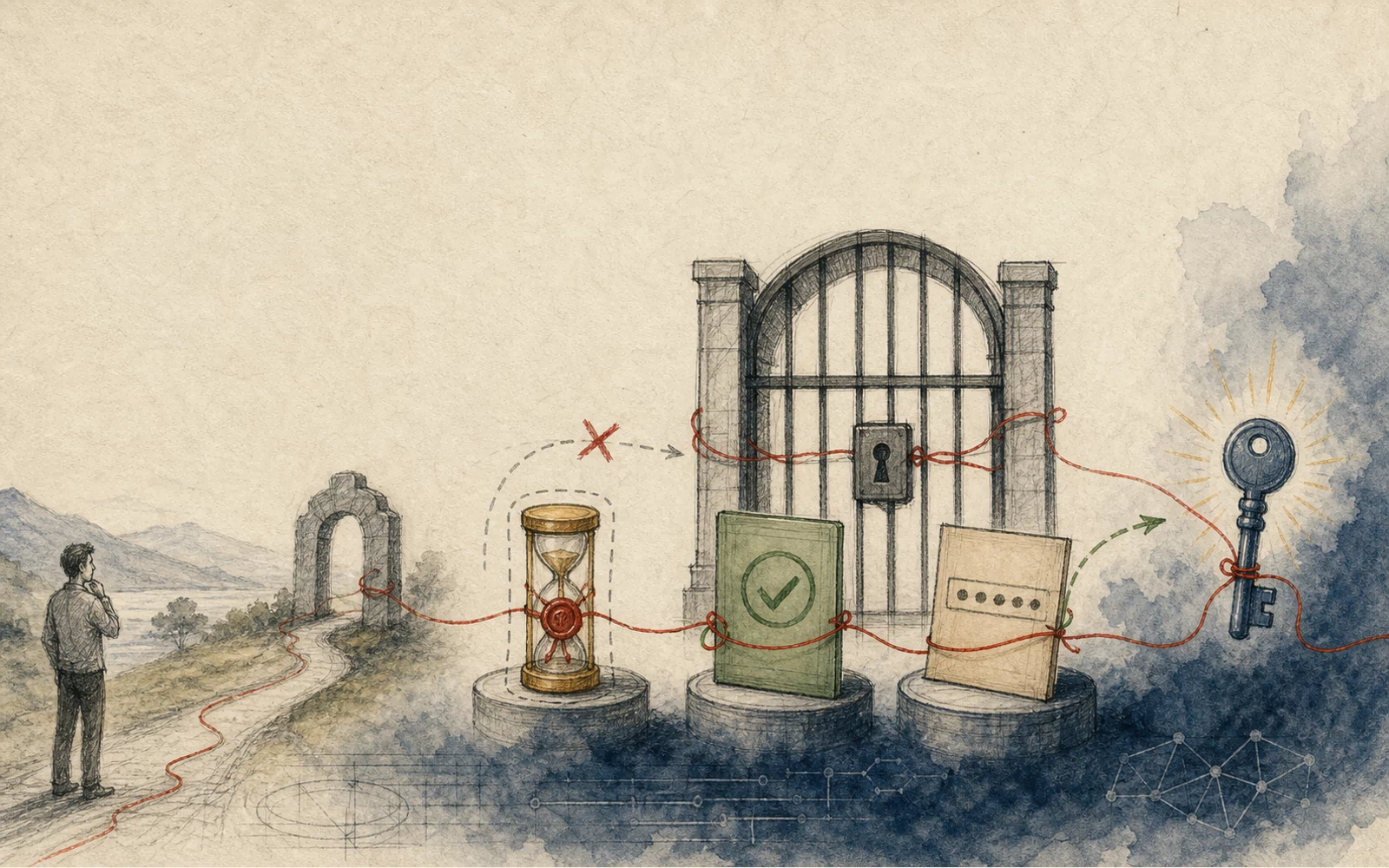 Rocket.Chat DDP authentication Rocket.Chat DDP authentication | Critical | CVE-2026-28514 affected Rocket.Chat's Enterprise microservice password flow: an unresolved bcrypt Promise was treated as truthy before its false result arrived, after which the service issued a session token and attached the impersonated identity to the DDP connection. | Mar 12, 2026 |